 Loading... Please wait...
Categories
Add to Wish List
Related Products


 New Products


Our Newsletter
Connect with us
- Home
- Health Supplements (Vitamins, oils etc)
- Certified Organic Olive Oil - Extra Virgin - Crete - Chef Allen Preferred - 500ml - $32
- Home
- Organic Olive Oil, Jams, Jellies and Syrups
- Certified Organic Olive Oil - Extra Virgin - Crete - Chef Allen Preferred - 500ml - $32
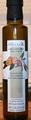
Certified Organic Olive Oil - Extra Virgin - Crete - Chef Allen Preferred - 500ml - $32


Product Description
Chef Allen preferred - Certified Organic Extra Virgin Olive Oil - Crete - 500ml - $32
This is a certified organic olive oil produced from a small area with only 3500 olive trees managed by one farmer. It is perfect for salads or dressings, in sauces or for medicinal use. It is a carrier so you can add essential oils to it and use in baths or as an ointment. In Japan this same product retails at $131.67!
The island of Crete, prior to the advent of western wheats grains and other foodstuffs, had an average lifespan of over 100 years, was essentially cancer free and free from heart disease. Olive oil is considered to be the purest and healthiest of all oils, and is not water extracted but naturally pressed through gravity. Has a wonderful natural taste.
OLIVE OIL, A LIFE INSURANCE
The olive tree can withstand and thrive in the harshest, bleakest conditions, long hot summers with little water,
poor rocky soil conditions and freezing temperatures. This is Greece and this is the habitat of the olive tree. The
olive tree is an evergreen with small elongated silvery-green leaves. It can self rejuvenate even after being
burned or cut to the ground. It produces its first crop at 7 years of age. From 7 to 30 years, it grows with a constant
increase in productivity; from 35 to 150 years, it reaches maturity and production. At 150 years it starts aging with
remarkable productivity for many centuries to come. Its production is cyclical with higher yield in one year and less in
the following. This cycle is repeated through out the life of the tree.
There are 800 million olive trees in the world with 700 million in the Mediterranean area and 140,000,000 in Greece.
10,000,000 million Greeks, 350,000 families are involved the olive tree cultivation. This is true small-scale farming,
plots handed down from father to son.
There are over one hundred varieties created over thousands of years of cultivation and pollination to match local
conditions such as temperatures, rainfall, soil variations, pest and wind resistance and maturing time.
No other people have accumulated over such a vast period of time, similar amounts of experiences and knowledge in
regards to the olive tree, and that’s where excellent quality olive oil starts. Olive tree cultivation and harvest is hard
work, but not for long periods of time. The bulk of the work, which is primarily done by hand, concentrates on pruning
twice a year and harvesting.
During harvesting, whole families get involved, three and four generations at the same time picking and gathering
olives preparing for the pressing which takes place immediately after.
Harvesting time is from November to March depending on the area and variety. Olives harvested for oil are half to
three quarter violet or black in color. If harvested too green, the yield is smaller with a golden yellow color when too
mature, the quality is lower with a deeper yellow green color.
Over 3000 presses are at work 24 hours a day as the olives are brought in from the harvest. Picked olives are not
stock pilled as crushing, bruising and heat accelerates the fermentation process, which lowers the quality of the oil
quickly.
The Olive tree, “OLEA EUROPAEA’ has a history as long as “civilization” itself. It has flourished for thousands of
years and has symbolized longevity, fertility, honor, victory, wisdom and peace.
According to Greek history, it was Goddess Athena who gave the people of Attica, the Olive tree as a gift to their
city. Athena’s gift “the olive tree” was her invention in the competition when Zeus promised to give Attica to the God
or Goddess with the most useful invention.
Poseidon produced a horse, beautiful, graceful and capable of pulling chariots and winning wars.
Athena’s Olive tree could illuminate the night, heal wounds, provide shade and valuable wood and nourish us with
its delicious oil and fruit. It was decided Athena’s more peaceful invention “the Olive tree” was more valuable to
the citizens of Attica and named their city after her. It is said, that same tree planted a top the Acropolis is still
there today. It survived and regenerated itself after invading Persians torched it and its offshoots were planted
throughout the region. Harming any of the new trees was made a capital offence. Throughout Greece, the Olive
branch became symbolic of all that was good, noble, and of permanence and perseverance.
The Olive and its oil have always engaged the intellect, the senses and passions of the Greek world for over 5000
years. The olive is so much part of the culture that today Greece is the only country in Europe that still allows its
civil workers time off to return to their villages of origin for the annual olive harvest.
By Biblical times the Olive tree was already in abundance in the land of Canaan, where olives and olive oil were used
for food, cooking oil, medicine, lamp fuel and anointment. Jerusalem was found at the foot of the mount olives.
Gethsemane, the garden of Jerusalem means, “Oil press.” By 3000 BC, Egypt was importing two olive oils, one from
Syria and one from Crete. Cured olives were left in the tombs of the Pharaohs for food in the after life. The word
“Christ” means “anointed” and comes from Chrism, which means”to anoint with oil” in Greek. Noah’s dove brought an
olive twig, which symbolized peace and regeneration.
Archeological evidence shows existence of the olive tree in the island of Crete prior to the Minoan civilization. (3500
BC) A remarkable feature at the Palace of Knossos is the room of the Olive press with pipes that feed into storage
vessels. The amphorae in which the oil was stored has been recovered and exists today.
The first cultivation of the olive tree took place in Crete, Greece. Since 2000 BC, the cultivation in Crete was very
intense and organized playing the most important role on the island’s economy. From here olive oil was exported not
only to mainland Greece, but also in North Africa and Asia Minor. Soon after that, the cultivation passed to mainland
Greece and the Olive oil and olives became synonymous of the Greek nutrition and staple through the centuries. In
the 6th century BC, Salon the great Athenian legislator drafted the first law for the protection of the olive tree. If
found guilty of illegally falling a tree, the sentence was death.
Between the 7th and 3rd centuries BC, ancient philosophers, physicians and historians undertook its botanical
classifications and referred to the curative properties of the oil. This same knowledge is being rediscovered today as
modern day scientist’s research and finds news why the olive oil diet is so healthy.
When the first Olympic Games took place in Olympia in (776) BC an olive tree branch was the award to the winners
symbolizing success and peace. However, not only an olive tree branch was the award but the product itself, an
impressive five tons of it.
The most impressive example of the value of the olive oil was its use at the Panathenaic Games. These games took
place every four years, which was Athens’s most important celebration, the Panathenea, in honor of goddess Athena.
Here the winners of these games received an award, oil in amphorae known as the “Panathenaic Amphorae.” The
amphorae itself, constituted the quality of the already certified product. This is the very first example of product
certification in world history.
During the classical period when Athens reached the peak of its power, the Greek olive oil was exported throughout
the known world and its greatest merchants were the winners form the games.
From this period until today, Greece became the world’s first and most important exporter of qualitative olive oil.
The love and high esteem of the Greek olive grower for the olive tree is passed on from generation to generation, with
the birth of each child, an olive tree is planted which will grow along with the child. The blessed tree grows up with
the family and produces its gifted fruit for many generations to come.
Health Benefits of Olive Oil
In Greece olive oil has been considered numinous for millenniums. Numinous has to do with the supernatural with being
holy, with having qualities impossible to describe or understand, but of which you experience the effects. Numinous
was sensed.
Nowadays olive oil is becoming a little less numinous and much more scientific, as scientists are probing into its
biological mysteries and magic. Its amazing properties are no longer sensed but proven through research. In 400 BC
Hippocrates, the father of medicine first mentioned the health and therapeutic effects of olive oil and prescribed
it for many ailments. For centuries, the people of the Mediterranean have recognized the nutritional, cosmetic and
medicinal benefits of olive oil. It was used to maintain skin and muscle suppleness, heal abrasions, soothe the burning
and drying effects of sun and water. Olive oil was administered both internally and externally, for health and beauty.
There are three kinds of dietary fats: Saturated (animal)
Polyunsaturated (plants, seeds, nuts, vegetables)
Monounsaturated (Olive oil)
Olive oil is 80% monounsaturated, 13 % saturated, 7 % polyunsaturated fats, on average.
Olive oil is rich in vitamins A, B1, B2, C, D, and iron and full of antioxidants such as vitamin E, K, and
polyphenols.
A Monounsaturated fat olive oil is the type of fat that has a beneficial effect on controlling cholesterol levels by
reducing LDL and increasing HDL and keeping arterial walls clean and elastic.
Greece has one of the lowest incidences of coronary heart disease and a 30-year study confirmed that this was
attributed to high consumption of olive oil.
Olive oil has a beneficial effect on the digestive system, acts as an enemy to ulcers and gastritis. As a good tonic
it is recommended for all types of heart diseases. Olive oil has been regarded as the “beauty oil.” The body’s cells
readily incorporates the antioxidants and fatty acids from the oil making arteries more supple and skin more lustrous.
The amount of oleic acid (omega-9) in olive oil is about the same as that found in mothers milk and thus the best
growth supplement and suitable as the first food after breastfeeding for infants.
Drunk before a meal, olive oil protects the stomach from ulcers. It is also effective in treating urinary tract
infections and gall bladder problems. It is a perfect remedy for gastritis, in children accelerates brain development
and strengthens the bones to both young and elder people.
Olive oil dissolves clots in capillaries, lowers the degree of absorption of edible fat. It is an excellent free radical
scavenger and slows down the aging process.
It is recommended as a source of vitamin E for older people. It also slows down acid overproduction in the digestive
system, thus diminishing the potential for ulcers and gastrointestinal problems. It has no cholesterol and as many
calories as many other vegetable oils, is as good as fresh fruits and vegetables in keeping colon cancer and tumors at
bay.
Researchers believe olive oil protects against bowel cancer by influencing the metabolism of the gut. It reduces bile
acid and increases enzymatic population, which helps to regulate cell turnover in the gut.
Japanese scientists claim that olive oil applied to skin after sunbathing could protect against skin cancer.
In a study with people that had high blood pressure they were able to reduce the amount of medicine by 50% when
taking 4 tbsp. of olive oil per day.
It is widely believed that antioxidants such as vitamin E, K and polyphenols found in olive oil provide a defense
mechanism that delays aging and prevents carcinogenisis, arteriosclerosis, liver disorders and inflammations.
Due to its chemical structure, olive oil is of unrivaled organoleptic value, so is the best oil suited for human
consumption, and well tolerated by the stomach. It is a cholagogue, activating the secretion of pancreatic hormones
and bile, much more naturally than prescribed drugs, and therefore lowering the incidence of gallstone formation.
It aids in the digestion of other fat substances, easily digested it promotes the overall absorption of nutrients,
especially vitamins and mineral salts.
Promoting bone mineralization, it is excellent for infants and elderly who have bone calcification problems.
It also has a beneficial effect on brain and nervous system development, as well as overall growth. A powerful anti-
inflammatory it heals the body from infections and helps in the healing of tissues, internal and external. Olive oil is a
panacea, and perfect for all ages. It has the unique property to dissolve useful substances that cannot be absorbed
by the human body. It can be used in everyday cooking, baking and frying. Olive oil is the best nutritional gift we can
offer ourselves.
THERAPEUTIC CHARACTERISTICS
Not just for salad
The great biological and nutritional value of LIQUID GOLD (Olive oil) has been recognized since ancient
times.
Hippocrates knew of its therapeutic qualities and urged his patients to use it. The ancient Greeks were in the
habit of consuming 30ml (2 tbsp) of olive oil every morning.
Olive oil and the Digestive System
Easily absorbed by the human body, therefore excellent source for antioxidants and promotes intestinal
absorption of nutrients.
Reducing potential for gallstone formation, it cleanses the gallbladder and reduces gastrointestinal problems.
Cholesterol and Heart
Olive oil consumption has a very positive effect on blood cholesterol.
While polyunsaturates reduce both LDL and HDL, monounsaturates reduces LDL while increasing HDL and
achieving a more desirable between the two. An increase of HDL levels will not only provide protection
against cholesterol deposits, but will actually reduce cholesterol levels in the body. Research has proven that
using olive oil significantly increases HDL levels and that olive oil is the best source of Monounsaturated
fatty acids. Olive oil is a good tonic with specific benefits for people suffering from heart disease. There is
good evidence that olive oil can lower triglycerides, blood pressure, decrease the stickiness of platelets, and
decrease heart attacks and cardiac complications.
Olive oil and Cancer
A study at the Karolinska Institute in Stockholm, Sweden followed 61,471 women that those with the highest
proportion of fat intake from monounsaturated fat in their diet were associated with a much lower risk of
breast cancer.
In Crete, where the consumption of olive oil is the highest in the world (35L per person per year), there
are significantly fewer occurrences of prostate, breast, ovarian and intestinal cancer than the rest of the
Western world. The abundant phenolenic antioxidant fractions of olive oil have potent inhibitory ability on
reactive oxygen species associated with various types of cancers.
Antimicrobial Activity
Olive polyphenols have been demonstrated to inhibit or delay the rate of growth bacteria such as Salmonella,
Cholera, Staphylococcus, Pseudomonas and Influenza in vitro. These data suggest a potential role of olive oil
water polyphenol antioxidants in promoting intestinal human and animal wellness and as an antimicrobial food
additive in pest management programs.
More Therapeutic Characteristics
Consuming hearty amounts of olive oil and vegetables reduces the risk of developing inflammatory diseases
such as rheumatoid arthritis. The fatty acids in olive oil are broken down to hormones that inhibit
inflammation.
Polyphenols and vitamin E both great antioxidants and free radical scavengers help to slow down the aging
process.
Vitamin E and pro-vitamin A help protect the skin from harmful sunrays and burns and helps to maintain
moisture.
Olive oil contributes to the development of bone mass and is recommended for prevention and treatment of
osteoporosis.
The composition resembles that of mother’s milk and is most efficient in the development of the central
Nervous system in babies and children.
Olive oil plays a major role in counteracting diabetic atrophy and plays an important role in the diabetic
diet and lowers glucose levels. It assists in liver function, gallbladder activity and prevents formation of
gallstones.
FOLK REMEDIES
For Shining Hair:
To Prevent Dandruff:
For Dry Skin:
To Soften Skin:
To Strengthen Nails:
To Soothe Tired Feet:
To Clear Acne:
After shampooing, rub in a mixture of extra virgin olive oil and egg yolk, juice of one lemon
and a little beer. Leave in for five minutes and rinse…
Rub in a mixture of olive oil and eau de cologne into hair. Rinse well.
Make a facemask with an avocado and olive oil. Leave in 10-15 minutes and rinse
Mix together equals parts of olive oil and natural organic sea salt. Massage the body and
wash off.
Soak nails in warm olive oil for 5 minutes. Repeat 3-5 times a day.
Massage feet with olive oil and garlic.
Gently rub in a mixture of 25 ml. of olive oil and 10 drops of Lavender oil and juice of
lemon.
COMPOSITION OF OLIVE OIL
Fatty Acids: Olive oil is a complex compound made of fatty acids, vitamins, minerals, and volatile compounds, water-
soluble components;
OLEIC ACID
-omega-9:
80% (monounsaturated fatty acid)
LINOLEIC ACID -omega-6:
9% (Polyunsaturated fatty acid)
LINOLENIC ACID -omega-3:
1% (Polyunsaturated fatty acid)
SATURATED FATTY ACIDS:
10%
VITAMIN E: (a natural antioxidant). Olive oil contains 1.6 mg or 2.3 IU per (15ml) or one Tbsp.
VITAMIN K: after green leafy vegetables, olive oil is a good source of this vitamin, which is associated with
chlorophyll.
ANTIOXIDANTS: The flavenoid polyphenols (hydroxytyrosols) found in olive oil are effective natural anti-
oxidants. There are 5-6 mgs of polyphenols in 10 grams of oil. Many nut, seed, and vegetable oils contain no
polyphenols.
Olive oil is the healthiest of all fats, contains no cholesterol, is gluten free, has no salt and contains 120 calories per
tablespoon or 9 calories per gram. Although olive oil has similar amounts of calories as other vegetable oils consuming
olive oil gives the sensation of fullness thus can result in weight loss.
GRADES OF OLIVE OIL
Is the olive oil you are using real olive oil?
What does it means when they say extra virgin or first pressed?
Your favorite olive oil may contain as little as 1% olive oil or may be totally lacking any of the therapeutic
characteristics. It is extremely difficult to find high quality real olive oil in the supermarket. Most oils available are
mixtures and blends of various oils that are designed to reduce costs and increase profits. Most countries have very
relaxed regulations with respect to labeling of olive oil and greed for profits allows companies to label their product
as “Extra Virgin olive oil” despite the fact that these are mixtures of low quality. Remember that for the olive oil to
have all of the beneficial effects on your health and the great taste that is known for, it must be 100% olive oil juice
that is fresh and free of any adulterants and manipulations to its natural state to meet labeling requirements. The
onus is on the consumer to demand from their health store or grocery store to provide as much information as to the
purity and authenticity of their oils.
When looking to purchase olive oil look for the following:
ONLY FIRST COLD PRESSED EXTRA VIRGIN has health benefits. When you purchase pure, pumice, light, extra
light, refined or olive oil cake not only you get no health benefits, you are at health risk from all the added chemicals.
NEVER PURCHASE OLIVE OIL SOLD IN PLASTIC
Olive oil reacts in plastic, contaminating the oil. Purchase only in glass dark bottles or in food grade cans to avoid
oxidation by light.
PURCHASE OLIVE OIL FROM HANDPICKED OLIVES ONLY
Olives should be handpicked and pressed immediately. Large estates reduce cost by using mechanized pickers. The
olives fall to the ground getting bruised and set off fermentation and spoiling of the olive. Mechanical picking also
drops olives not ready yet, and when gathered from the ground many older over ripened olives are added to the mix.
All these factors although cut costs and increase profits, greatly reduce the quality and health benefits of the oil.
When the olives are hand picked the traditional way, the olives are not bruised and only the ones ready for pressing
are taken.
NEVER PURCHASE FACTORY PRODUCED OLIVE OILS
Stay away from big corporate brands that you may see in every market. Your olive oil should come from small family
farms not factories.
Olive oil is “graded” according to its flavor, color, aroma and primarily its acidity, which is the most important element
in grading.
EXTRA VIRGIN olive oil is a designation awarded by the International olive oil council (IOOC) in Europe. The IOOC
conducts official laboratory testing for free fatty acids, taste and aroma. In the US the FDA does not regulate the
“extra virgin” label, it is a voluntary “self” regulated by the US producers. Olive oil from Greece is required to meet
IOOC standards prior to export, as well as the even more rigid standards set by the Helenic Foreign Trade Board
or HEPO. Not only must the acidity level be less than 1% to qualify as “extra virgin&am;
Find Similar Products by Category

Customers Who Viewed This Product Also Viewed
-
 $41.00
 -
 $18.00
 -
 $59.99
 -
 $19.99